
WP Secure Stack Team
Sort by:
All Articles
-
How to Disable XML-RPC in WordPress in 2026
WordPress XML-RPC attacks threaten millions of WordPress websites daily, yet most site owners overlook this critical WordPress security vulnerability that hackers actively exploit. Learning how to disable XML-RPC in WordPress protects your site from brute force attacks, DDoS attacks, and pingback spam that drain server resources and compromise WordPress security.
-
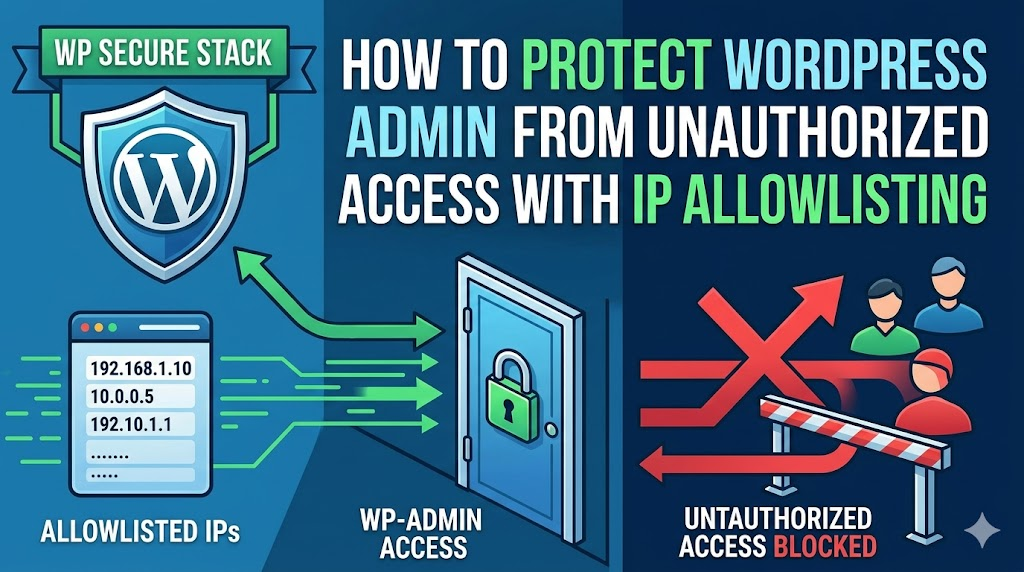
How to Restrict Unauthorized WordPress Admin Access Using IP Allowlisting
Stop brute force attacks at the source. Learn how to Protect WordPress Admin from unauthorized access by implementing IP allowlisting. This guide covers manual .htaccess edits, security plugins, and Cloudflare configurations to ensure only trusted users can reach your login page.
-

How to Secure a WordPress Website Without Plugins
WordPress with default settings is vulnerable. No firewall, no login throttling, no file integrity checks. You can fix most of that without installing a single plugin — using server configuration, WordPress hardening options, and strong credentials and updating WordPress, themes, and plugins regularly. How Secure Is WordPress With Default Settings and No Security Plugins? Not…
-
The WordPress Security Toolkit: 30 Free Tools Every Site Owner Should Use
Securing a WordPress site doesn’t require a big budget. The open-source community and leading security vendors have built the WordPress Security tools that cover every layer of your stack from DNS to database. This post lists 30 tools that owner should us.
-

10 Best WordPress Security Plugins in 2026 (Compared, Tested)
Are you searching for the best WordPress security plugins in 2026 to protect your website from hackers, malware, and brute-force attacks? WordPress is still the most popular CMS in the world, powering over 43% of all websites. That popularity makes it a prime target for cybercriminals. Without the right protection, your site is left wide…
-

How to Secure WordPress Admin Panel: Step-by-Step Guide
Your WordPress admin panel controls your whole website. Hackers often attack the login page to steal your website data, plugins, themes, and hosting access. Therefore, you must secure your WordPress dashboard before attackers find weak points. In this guide, you will learn how to secure your WordPress admin panel step by step. You will also…
-
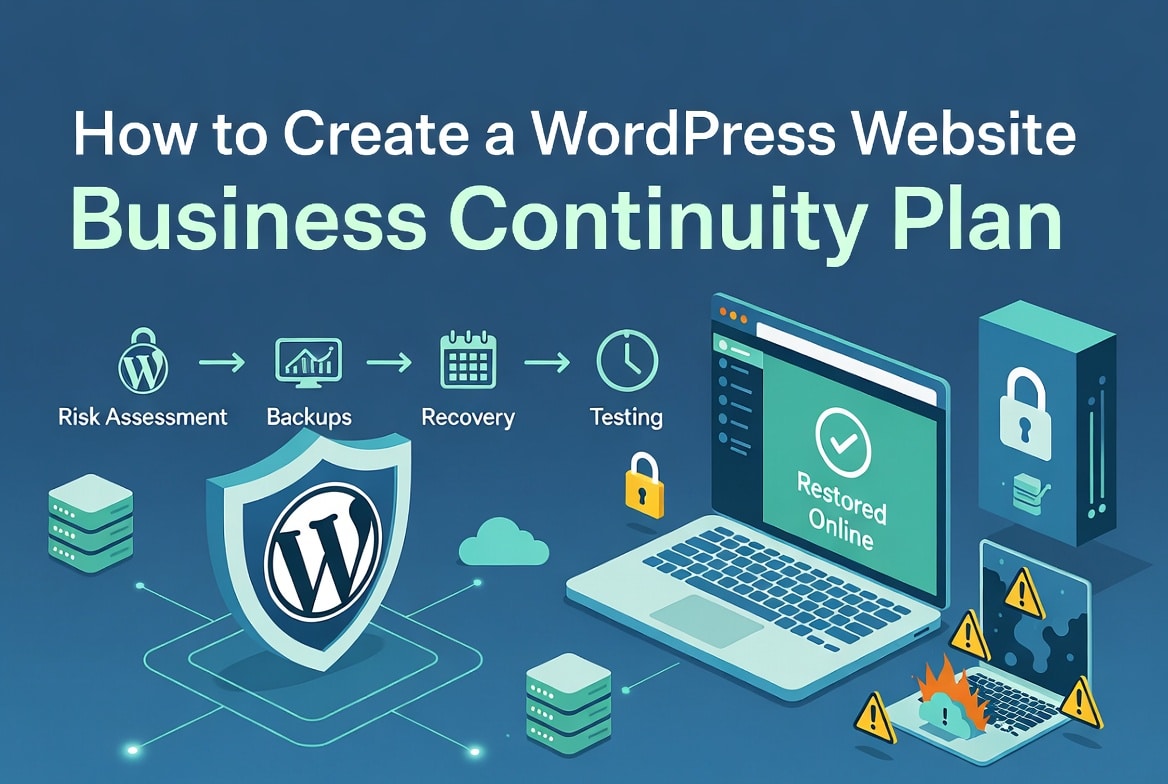
How to Create a WordPress Website Business Continuity Plan
Your WordPress site goes down at 2 a.m. on a Tuesday. A plugin update corrupted the database. Orders stopped processing two hours ago. Your hosting company’s support queue runs four hours deep. Do you have a plan? Most WordPress site owners don’t. They have a backup plugin installed and a vague intention to “restore if…
-

How to Detect and Fix Vulnerable Plugins in WordPress
Vulnerable plugins cause more WordPress hacks than almost anything else. Not weak passwords. Not outdated WordPress core. Plugins. According to WPScan’s 2025 WordPress Vulnerability Report, plugins account for over 93% of all known WordPress vulnerabilities. That number should scares. You can have the strongest password on the planet, the best hosting money can buy, and…
-
WordPress Security Checklist for Developers
WordPress powers over 43% of the web — which makes it the single most targeted CMS on the planet. If you’re building or maintaining WordPress sites professionally, security isn’t optional. This checklist covers every layer of a hardened WordPress deployment, from server configuration to post-launch monitoring. What this checklist covers Security starts before WordPress is…
-
15 Signs Your WordPress Website Has Been Hacked
A hacked WordPress website is every site owner’s nightmare but the real danger is not knowing it happened. If you suspect your site has been compromised, you are not alone. In fact, a hacked WordPress website rarely announces itself with flashy warning banners. Instead, modern cyberattacks operate in stealth mode, quietly stealing data or hijacking…
