WP Secure Stack Team
Sort by:
All Articles
-
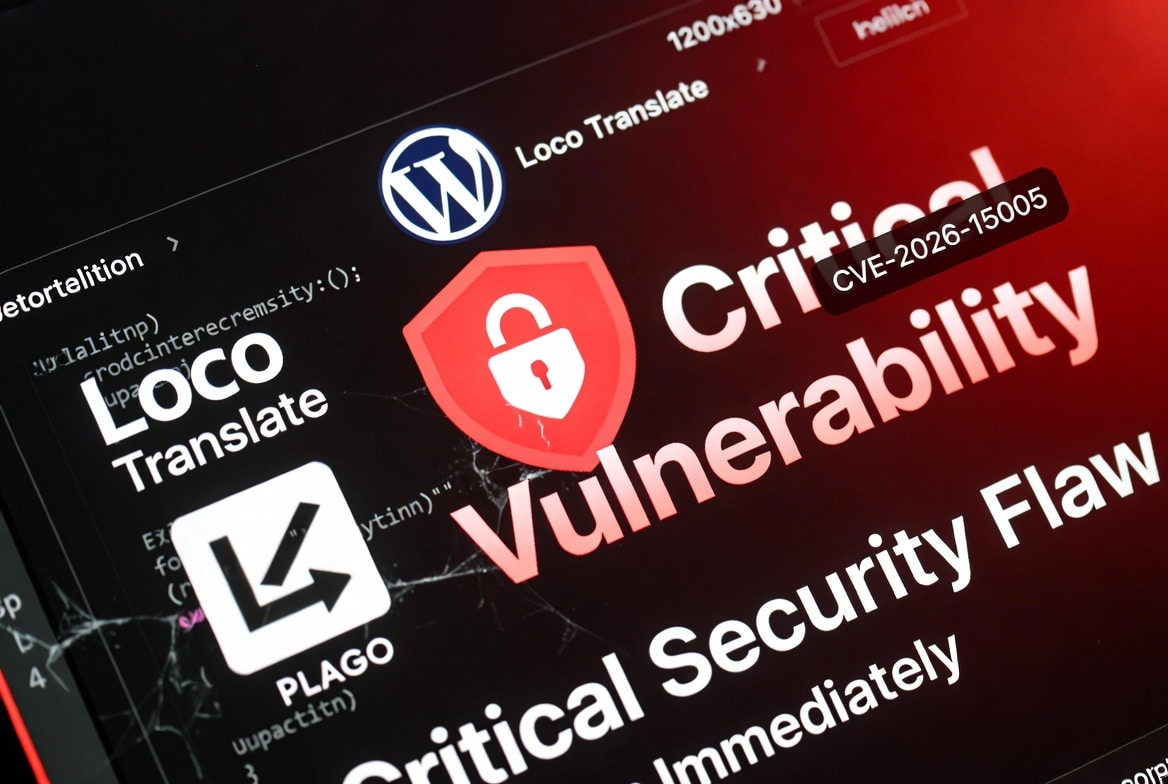
Critical Loco Translate Security Flaw Grants Total RCE Server Access: How to Fix CVE-2026-15005
WordPress Site Owners using the popular Loco Translate plugin should update immediately. On July 15, 2026, Wordfence disclosed CVE-2026-15005, a high severity vulnerability with a CVSS score of 8.8. The flaw affects every Loco Translate release up to and including version 2.8.5. The issue combines a Cross-Site Request Forgery (CSRF) weakness with Remote Code Execution…
-
WordPress 7.0.1 Changes: What’s New & Do You Need to Update?
If you logged into your dashboard recently and noticed a prompt for WordPress 7.0.1, you might be wondering if an urgent action is required. Released on July 9, 2026, WordPress 7.0.1 is a short-cycle maintenance release designed to polish the foundational changes introduced in the massive WordPress 7.0 “Armstrong” launch. Unlike major version rollouts, this…
-
How to Stop WordPress Brute Force Attacks: Step by Step Guide in 2026
Attackers carry out brute force attacks against WordPress websites every single day. Many bots can test thousands of username and password combinations every minute, and they never get tired. One weak password or one missing security setting can give an attacker full control of your site. I have cleaned up many hacked WordPress websites over…
-
AI WordPress Plugin Security: Are AI-Generated plugin Safe to Use?
Last week, a freelance developer I know shipped a custom plugin to a client. He built it in 20 minutes using ChatGPT. Three days later, someone hacked the site. The attacker did not need to brute-force anything. He walked right in through a backdoor left by an unaudited eval() function buried in the AI-generated code.…
-
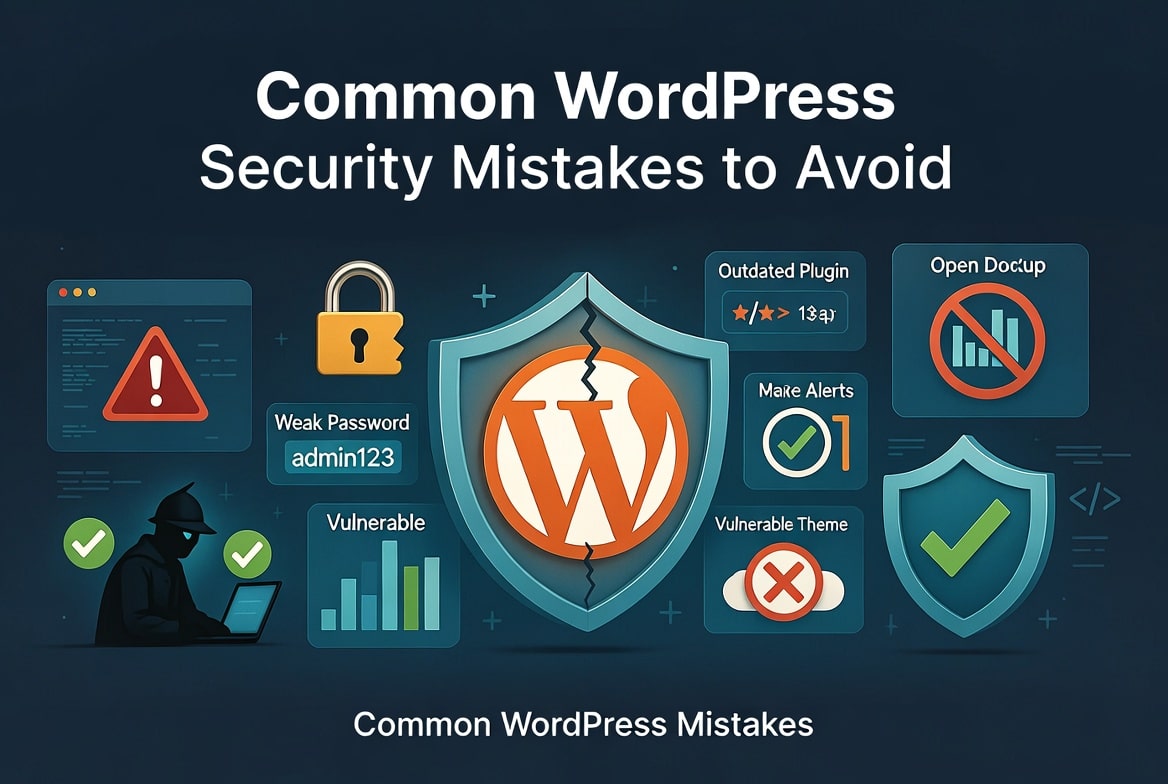
Common WordPress Security Mistakes WordPress Site Owners Should Avoid
Launching a WordPress site takes less than an hour. You pick a domain, click “install,” choose a clean theme, and you’re live. That simplicity explains why WordPress powers millions of websites, from personal blogs and business websites to online stores and membership platforms. However, many WordPress users focus on design, plugins, and content while overlooking…
-
10 Best WordPress Firewall Plugins in 2026: Protect Your Site from Hackers
Over 43% of all websites run on WordPress. That massive market share makes it the number one target for cybercriminals. Every single day, automated malicious bots probe live websites, constantly scanning for outdated plugins, exposed login pages, and weak security configurations. If your site is live right now, bots are probing it. The good news?…
-
The Common Attack Techniques Hackers Use to Breach WordPress In 2026
If you run a WordPress website, you probably spend a lot of time thinking about updates, themes, and content. But behind the scenes, a quiet battle is raging. Because WordPress powers a massive portion of the internet, it is the number one target for threat actor. To defend your website, you have to stop thinking…
-
Authentication Bypass Flaw in Updraft Plus WordPress Plugin (CVE-2026-0352)
The WordPress security ecosystem is facing an extraordinary threat in one of its most trusted core utilities. Security researchers have disclosed a critical, unauthenticated authentication bypass vulnerability, tracked as CVE-2026-0352, in the UpdraftPlus WordPress Backup & Migration Plugin. UpdraftPlus is one of the most widely used premium WordPress plugins in existence, trusted on over 3…
-
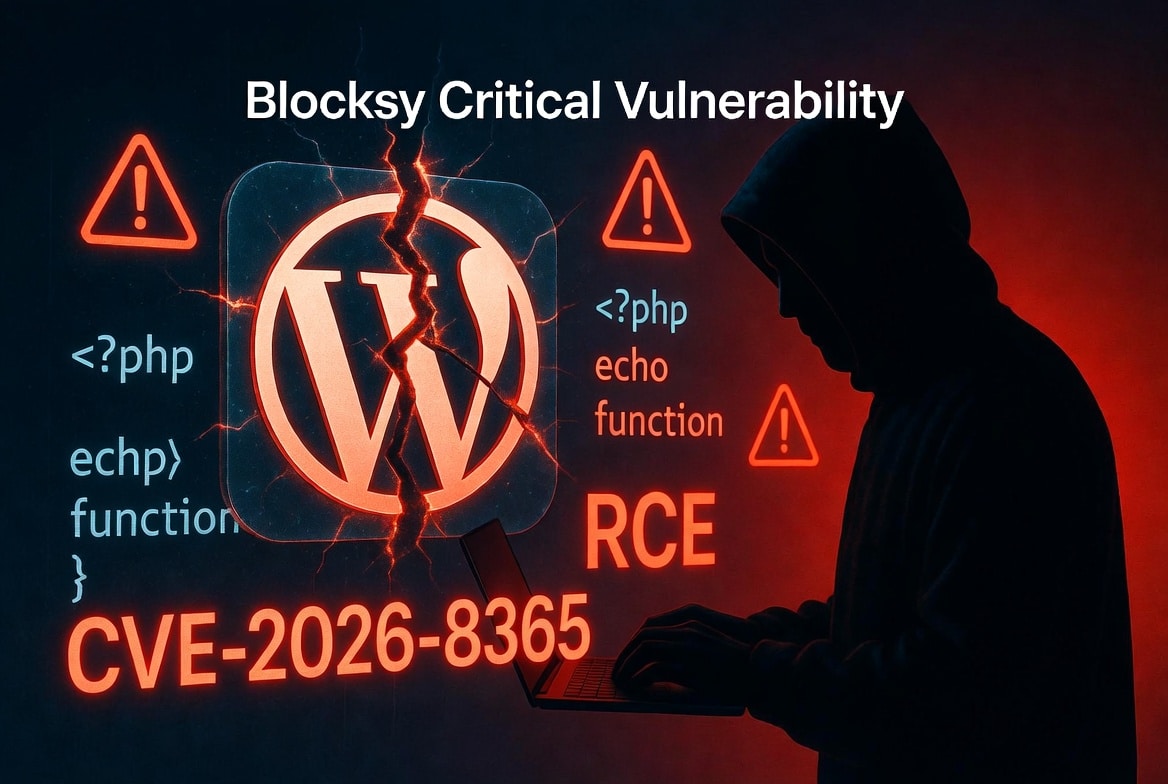
WordPress Blocksy Theme Flaw Allows Hackers to Take Over Websites (CVE-2026-8365)
A major security flaw has shaken up the WordPress community. Security researchers found a critical zero-day vulnerability, tracked as CVE-2026-8365, in the popular Blocksy WordPress theme. Blocksy is a favorite choice for digital agencies and large business websites because it is fast and highly customizable. However, if you are running Blocksy version 2.1.41 or older,…
-
Weekly WordPress Vulnerability Report: June 1–7, 2026
74 new WordPress vulnerabilities were disclosed this week. Kirki hits 500,000 sites. Volume dropped 73% from last week’s 277. Here is every plugin and theme your team needs to check right now. Page contents: Quick Numbers · Critical Vulnerabilities · Full Disclosure Table · Threat Trends · Defensive Checklist · FAQ Quick Numbers The volume…