WP Secure Stack Team
Sort by:
All Articles
-

10 Best WordPress Firewall Plugins in 2026: Protect Your Site from Hackers
Over 43% of all websites run on WordPress. That massive market share makes it the number one target for cybercriminals. Every single day, automated malicious bots probe live websites, constantly scanning for outdated plugins, exposed login pages, and weak security configurations. If your site is live right now, bots are probing it. The good news?…
-
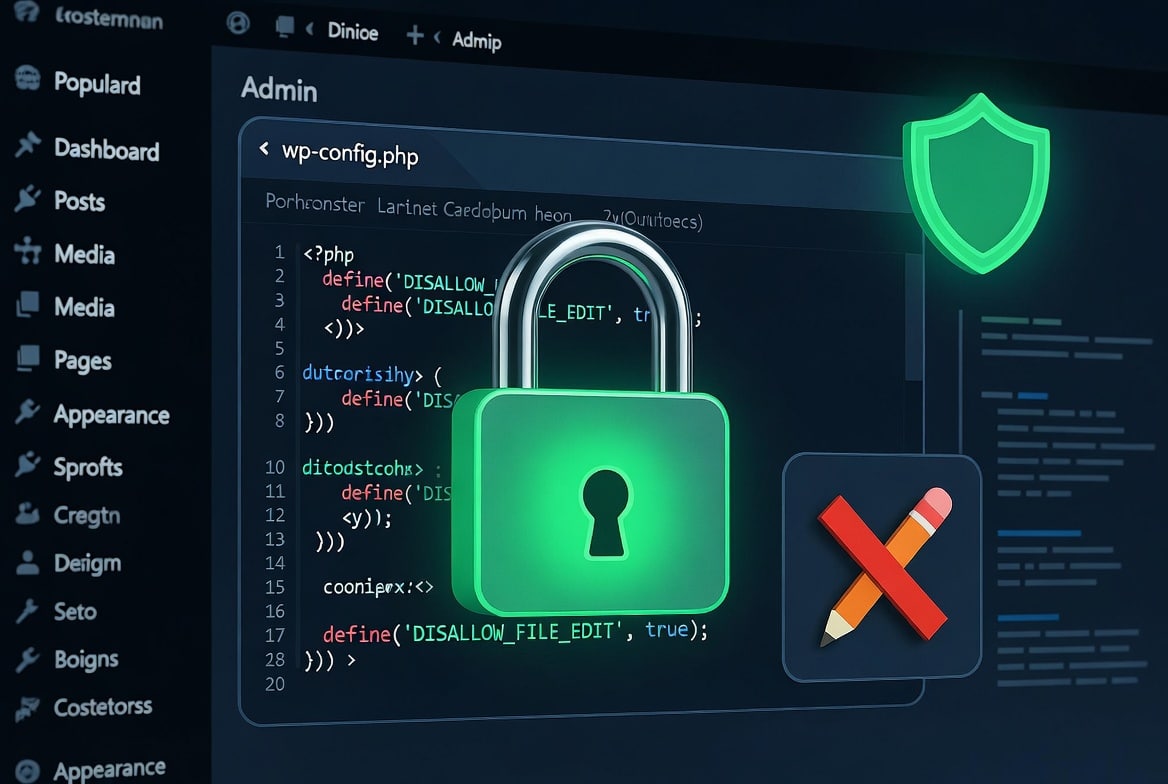
How to Disable File Editing in WordPress via wp config.php
WordPress includes a built-in code editor that lets anyone with admin access modify plugin and theme PHP files directly from the browser. One compromised admin account gives an attacker full code execution on your server — no FTP, no SSH required. A single line in wp-config.php disables that editor permanently. This post explains what to…
-
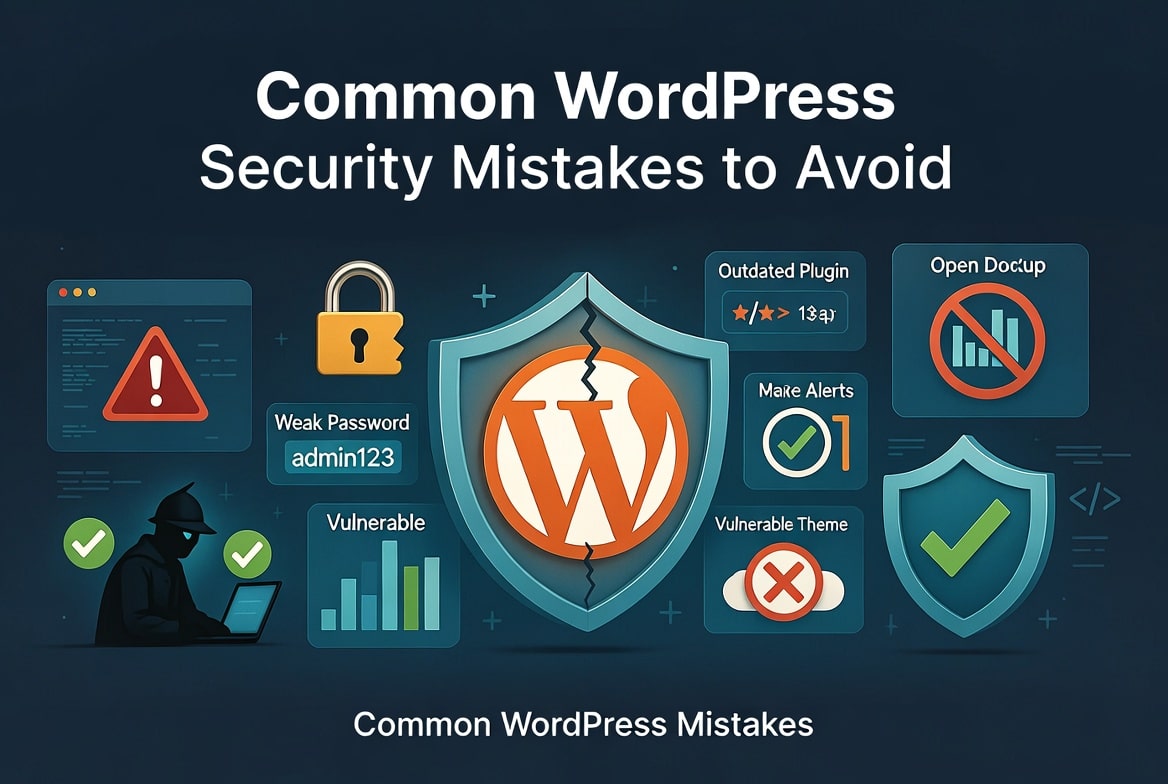
Common WordPress Security Mistakes WordPress Site Owners Should Avoid
Launching a WordPress site takes less than an hour. You pick a domain, click “install,” choose a clean theme, and you’re live. That simplicity explains why WordPress powers millions of websites, from personal blogs and business websites to online stores and membership platforms. However, many WordPress users focus on design, plugins, and content while overlooking…
-

The Security Risks of Using Nulled WordPress Plugins
Why free cracked plugins can destroy your website, hurt your SEO, and cost more than premium tools Many WordPress users search for free versions of premium plugins and themes. Users often call these tools “nulled plugins” or “nulled themes. At first, they may look like a smart way to save money. But there is a…
-
AI WordPress Plugin Security: Are AI-Generated plugin Safe to Use?
Last week, a freelance developer I know shipped a custom plugin to a client. He built it in 20 minutes using ChatGPT. Three days later, someone hacked the site. The attacker did not need to brute-force anything. He walked right in through a backdoor left by an unaudited eval() function buried in the AI-generated code.…
-

How to Secure a WordPress Website: Complete Beginner’s Guide 2026
WordPress powers over 43% of the entire internet. That’s extraordinary. It also makes it the single most targeted CMS on the planet. According to Sucuri’s 2023 Website Threat Research Report, WordPress accounts for the majority of all infected websites detected because WordPress is inherently broken, but because most site owners never take the time to…
-
How to Stop WordPress Brute Force Attacks: Step by Step Guide in 2026
Attackers carry out brute force attacks against WordPress websites every single day. Many bots can test thousands of username and password combinations every minute, and they never get tired. One weak password or one missing security setting can give an attacker full control of your site. I have cleaned up many hacked WordPress websites over…
-
WordPress 7.0.1 Changes: What’s New & Do You Need to Update?
If you logged into your dashboard recently and noticed a prompt for WordPress 7.0.1, you might be wondering if an urgent action is required. Released on July 9, 2026, WordPress 7.0.1 is a short-cycle maintenance release designed to polish the foundational changes introduced in the massive WordPress 7.0 “Armstrong” launch. Unlike major version rollouts, this…
-

Best Secure WordPress Hosting in 2026
Picking the insecure WordPress host is one of the most expensive mistakes a site owner can make, and most people don’t realize it until they’re already hacked. We’ve seen it happen dozens of times where someone builds a beautiful WordPress site, installs a solid security plugin, creates strong passwords, and still gets compromised because their…
-

Critical Loco Translate Security Flaw Grants Total RCE Server Access: How to Fix CVE-2026-15005
WordPress Site Owners using the popular Loco Translate plugin should update immediately. On July 15, 2026, Wordfence disclosed CVE-2026-15005, a high severity vulnerability with a CVSS score of 8.8. The flaw affects every Loco Translate release up to and including version 2.8.5. The issue combines a Cross-Site Request Forgery (CSRF) weakness with Remote Code Execution…